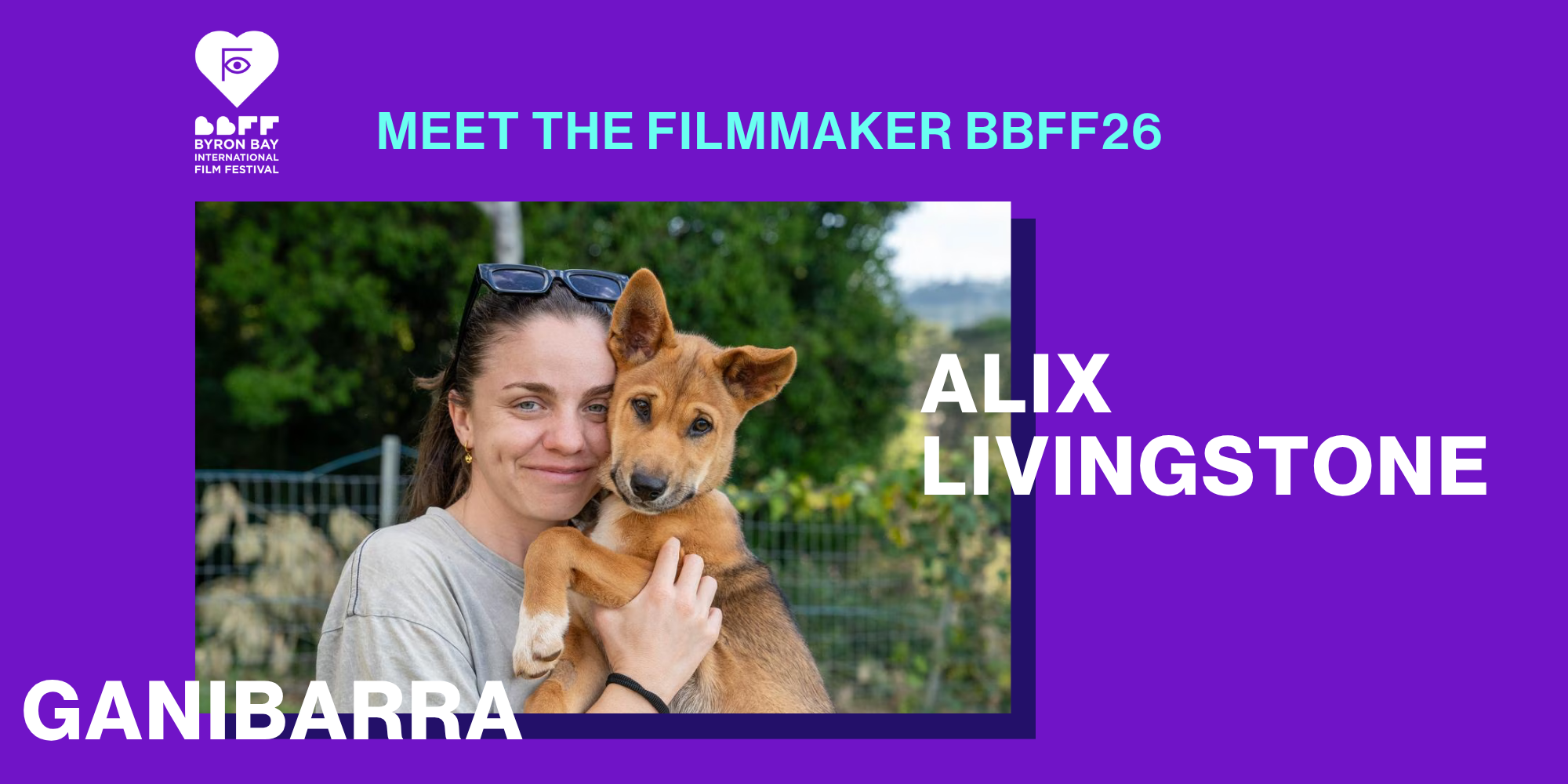
BBFF2026 Meet the Filmmaker: Alix Livingston
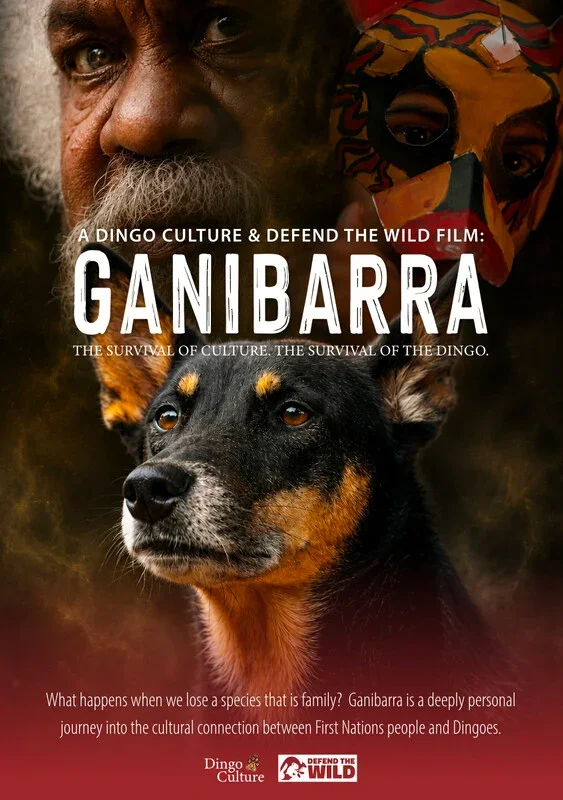
Ganibarra
“Four years later, we returned to where that conversation began, with Sonya and her family, and made Ganibarra. The film is an intimate portrait of Sonya, but it is also an invitation to listen - to step beyond the fear, conflict and sensationalism that have shaped the dominant story of Dingo, and to hear another story.” - Alix Livingstone
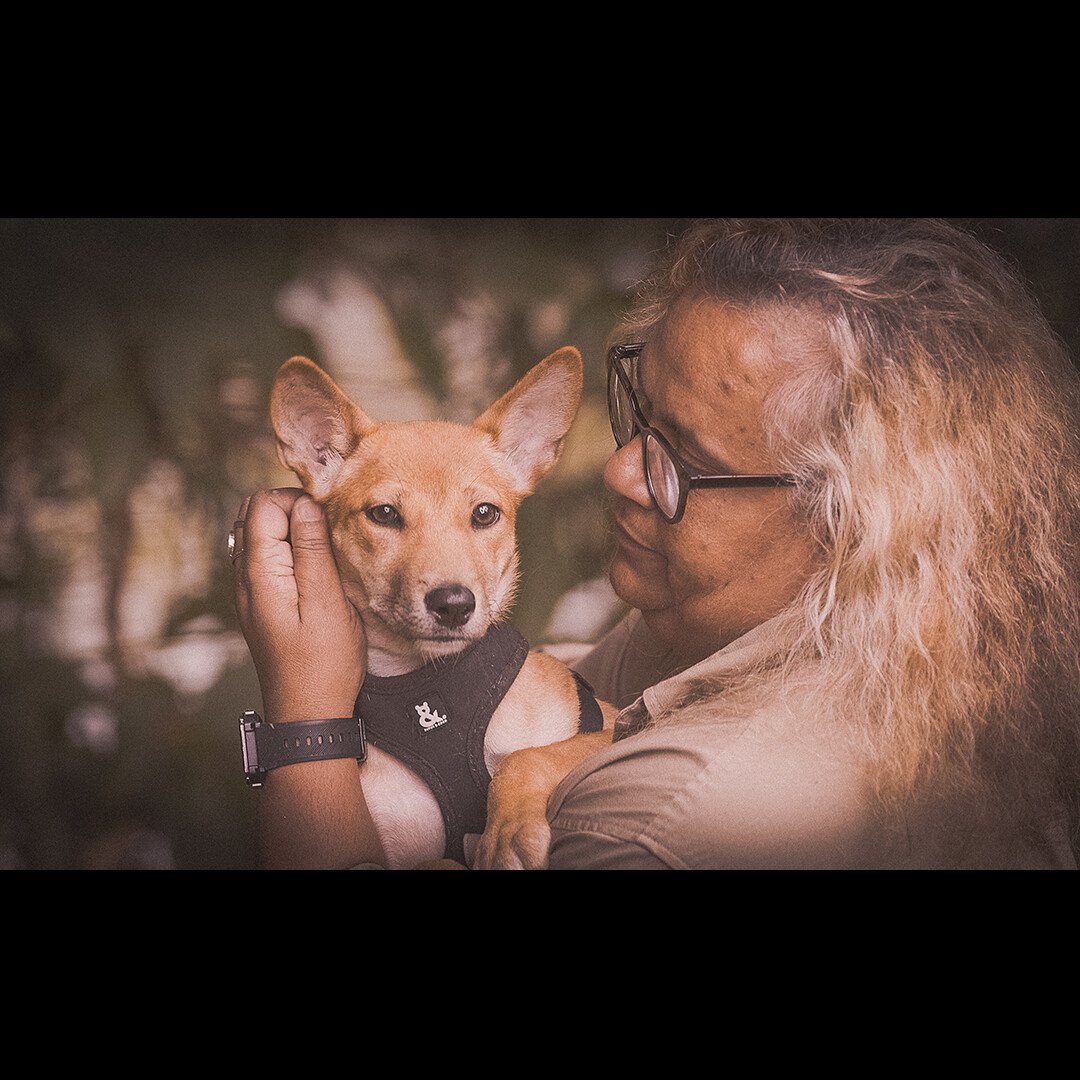
Following Sonya Takau and her family, Ganibarra explores the deep relationship between Dingo, Country and First Nations culture, offering audiences a story of kinship, cultural knowledge and connection.
Co-director and producer Alex Livingstone first met Sonya in 2022, and what began as a conversation about Dingo protection grew into a friendship, collaboration and ultimately a film. Together, they invite audiences to look beyond the fear and conflict that have long shaped the story of Dingo, and listen to another - one rooted in culture, Country and the enduring relationship between people and Dingo.
Some films begin with a script. Others begin with a conversation.
For Alix Livingstone, Ganibarra began in 2022, when she met Sonya Takau in Cardwell to talk about Dingo as a culturally significant animal and its place within her culture.
One night, Sonya told Alix about an idea she had been carrying: a Traditional Knowledge Recording Project that would travel to different communities and record First Nations people speaking for themselves about their relationships with Dingo, their knowledge of Country and their hopes for the future. “As she spoke, I started scribbling notes,” Livingstone recalls. “I remember thinking that this project needed to happen.”
Four years later, that conversation has become Ganibarra.
The documentary follows Sonya and her family as they share their relationship with Dingo and the Country they come from. But for Livingstone, the film was never simply about making another documentary about an Australian animal.
“Ganibarra is a film about Dingo, but it is really a film about relationships - with Country, with culture, and with an animal that has been deeply misunderstood and maligned.”
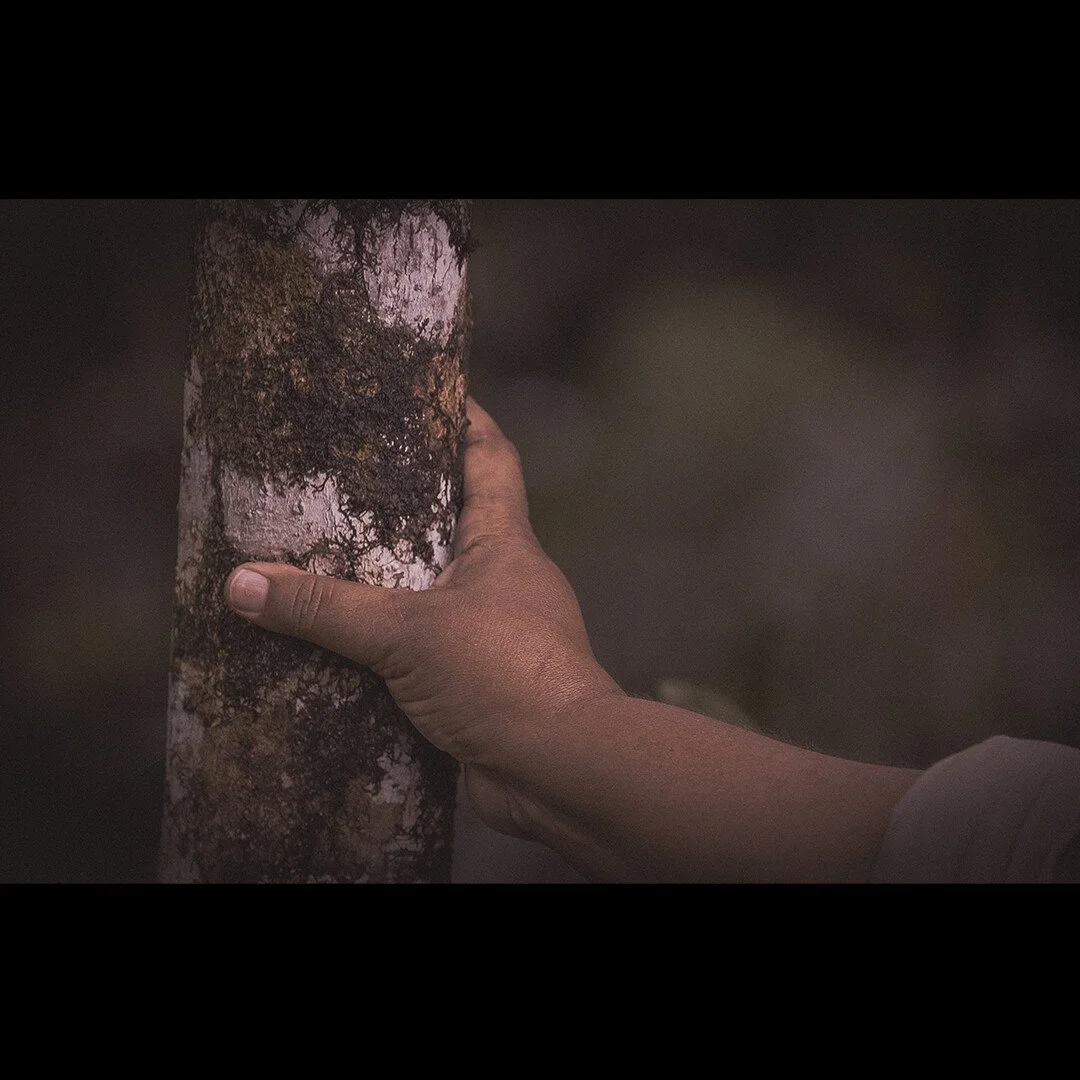
For so long, the dominant story of the dingo has been one of fear and conflict. Livingstone wanted to make space for another story, one told by the people whose relationship with Dingo stretches back thousands of years.
“So much of what has been recorded about this relationship has been documented by non-Indigenous people,” she says. “We felt there was an urgent need to ensure Cultural Custodians could tell these stories themselves, in their own way and on their own terms.”
Through Sonya and her family, the film explores Dingo as kin. Woven through culture, story, Totems and Songlines and as living, breathing soul of Country. But within these strokes of story Ganibarra doesn't overlook the important conversations around displacement, survival and cultural continuity, drawing connections between the displacement of First Nations people from Country and the displacement of dingoes themselves. But while the issues at the centre of Ganibarra are significant, Livingstone says it is the people she will remember most. One moment in particular has stayed with her.
During filming, she returned to Fish Tails with Sonya and Uncle Robert after they had been locked out of that part of their Country for 20 years. Alix describes that visit as "deeply moving and something I will never forget …There was a happiness and a sadness all held at once.”
For Livingstone, it was a reminder that filmmaking is not just about capturing a story. Sometimes, it is about being trusted enough to bear witness to a moment that carries generations of history. It is a trust she does not take lightly.
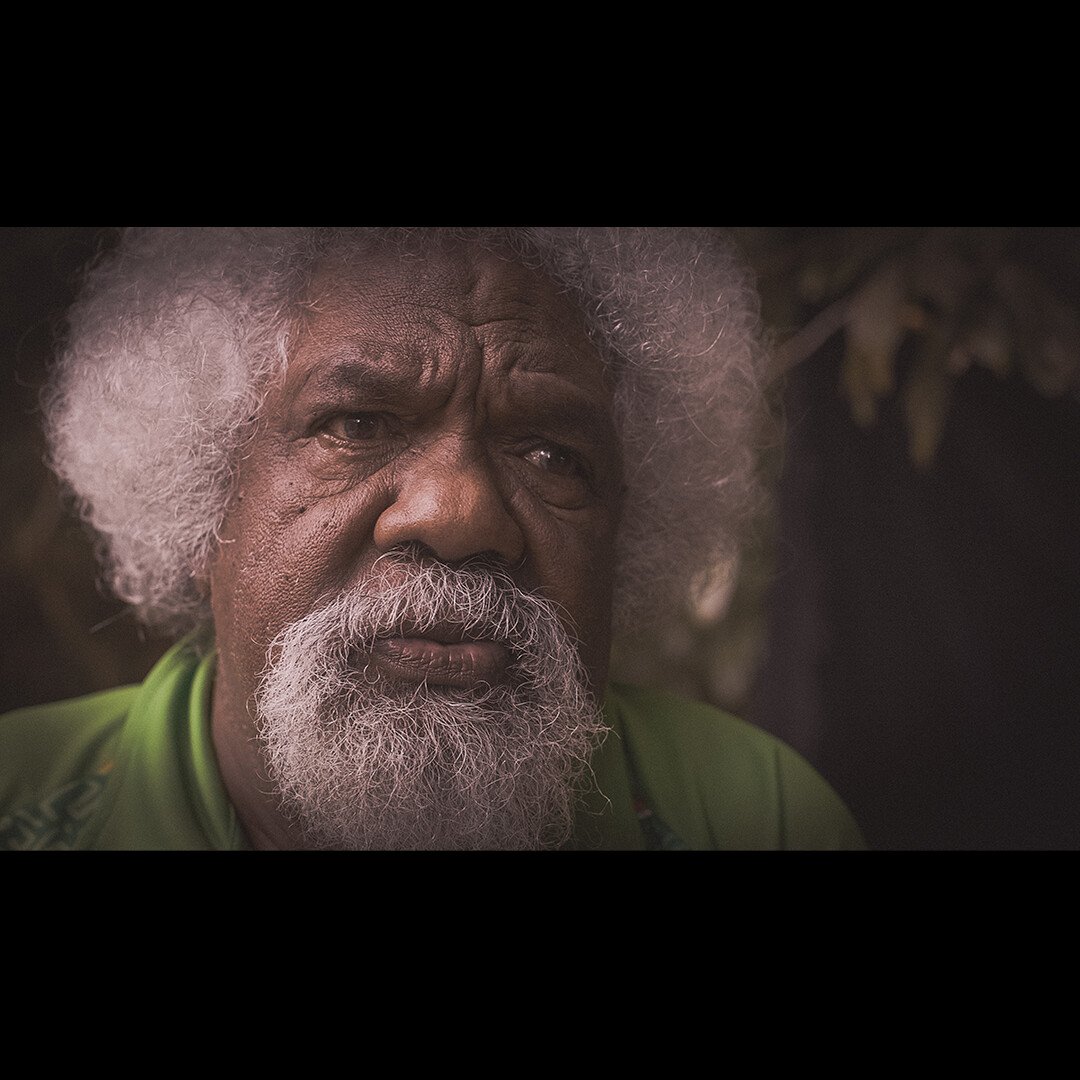
Ganibarra marks the first chapter of something larger: the Traditional Knowledge Recording Project, an ongoing effort to record and share First Nations knowledge and relationships with Dingo directly from Cultural Custodians. Livingstone hopes Ganibarra can contribute to stepping beyond the fear and sensationalism, towards accepting an invitation to listen. That sentiment is also what first drew Alix to filmmaking: its ability to change the way people see something they thought they already understood. She describes that potential as "the potential to transform peoples understanding and appreciation of some of the most important issues of our time.”
It is a fitting description of both Alix's filmmaking and the story she has chosen to tell.
Filmmaking is only one part of what she does. Outside of production, Livingstone works as a campaigner, alongside communities, lobbying government, developing strategic campaigns and advocating for legislation and management that reflects cultural and ecological values. It means Ganibarra doesn't exist in isolation. The film sits within a much bigger commitment to Dingo protection, Country and cultural knowledge and using storytelling as vessel for creating that change.
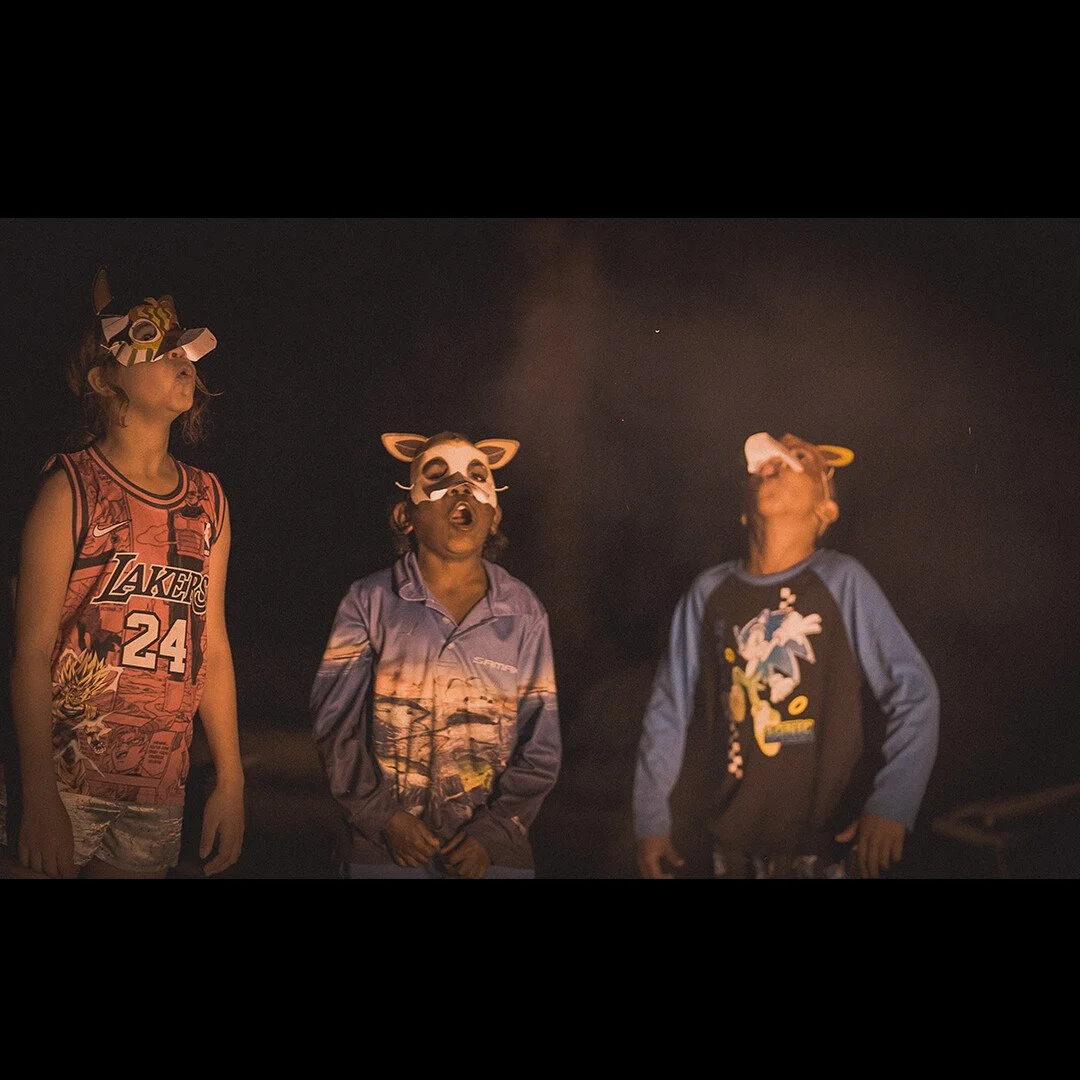
This year, Livingstone brings that work home.
As a Northern Rivers local, being selected for the Byron Bay Film Festival's 20th edition is particularly special. Earlier this year, another short film she made about dingoes screened to a sold-out local audience of 220 people. Now, she is looking forward to bringing Ganibarra to the community she calls home. “It is so exciting!” she says. “To have our film recognised in our local festival is just such an honour.” For a filmmaker whose work is ultimately about making space for stories to be heard, bringing Ganibarra home to the Northern Rivers feels like a fitting next chapter.
We can't wait for you to meet Alix Livingstone, and to experience Ganibarra for yourself at BBFF's 20th edition.