

BBFF2026 Meet the Filmmaker: Shannon Harvey
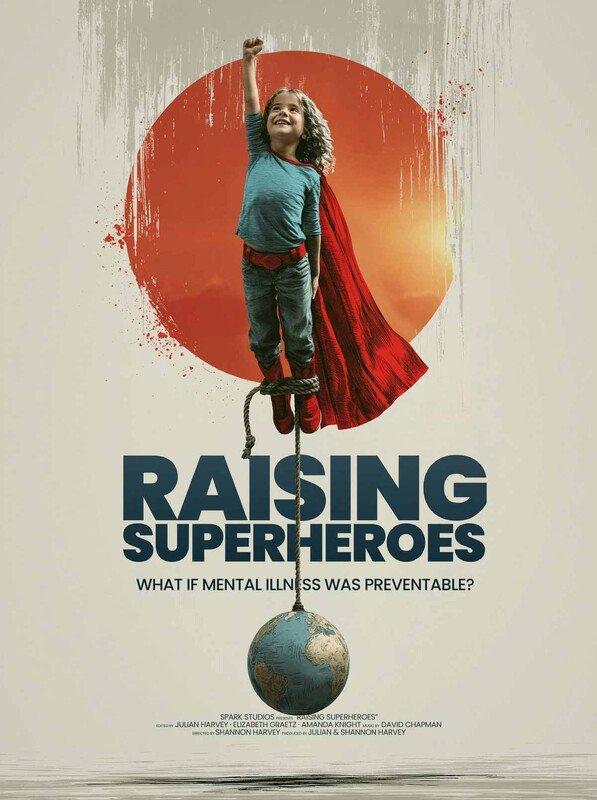
Raising Superheroes
When journalist and filmmaker Shannon Harvey set out to understand why mental illness is rising among young people, she found a more confronting question: what if much of this suffering could be prevented? Raising Superheroes investigates that question through worldwide research, building an evidence-based case for prevention and for changing the environments in which children grow up.
Ahead of the film's BBFF2026 screening, Shannon talks to us about refusing the usual crisis narrative, the moment that changed the film, and why knowing the evidence was no longer enough.
For Shannon, it all started while making her last film, My Year of Living Mindfully. She couldn’t stop thinking about the childhood origins of mental illness, and whether the adults in her own family who had struggled with their mental health could have had different lives if someone had stepped in when they were children.
And so, even long after the film was finished, she found herself asking: Could mental illness be prevented? And if so, why was it not being done?
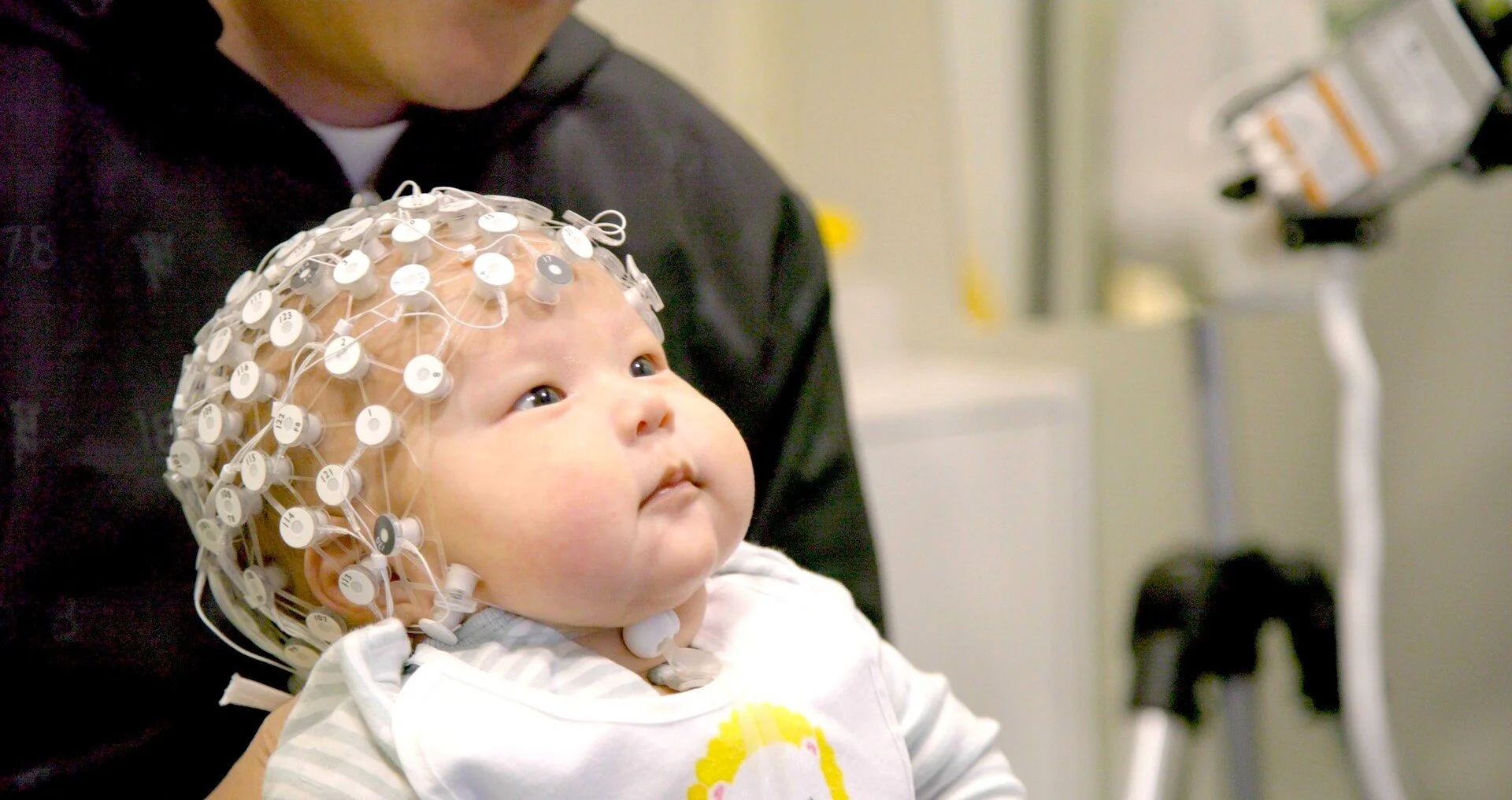
Shannon embarked on an investigation to find out if anyone around the world had worked out how to stop mental illness before it took hold. The hopeful answer she found was that mental illness is not inevitable.
“When children grow up with protective factors such as safety, connection and stable relationships, their outcomes change, even in very hard circumstances,” Shannon reveals to us. “That makes prevention something we all have a stake in, whether we're parents, teachers, employers or voters.”
Every year, the Australian government spends a miniscule percentage of its federal budget on mental health, and even less on mental ill-health prevention. For Shannon, it was crucial to show that a lack of responsibility, on both state and community levels, for children’s wellbeing plays a significant role in the national mental health crisis. Her research findings tell us that everyone has a part to play.
In an interview with Professor Frank Oberklaid, the esteemed Australian prevention researcher and paediatrician, Shannon had asked him why “they” (the government) was not simply fixing the problem. His answer changed the trajectory of the film: “There is no they.”
“I'd been waiting for someone else to act,” Shannon reflects. “Frank's point was that there isn't someone else. There's us.”
Telling a story this urgent and delicate requires intentional, ethical finesse. Throughout the film’s production, an expert advisory committee was consulted. Raising Superheroes was not meant to be just another mental illness crisis story. The documentary was conceived as an impact film that would drive real change.
“That turned out to be one of the hardest things about making this film,” Shannon reveals to us. “In mental health advocacy, stories of suffering are the default because they're powerful and they get attention. But there isn't a single mental illness story of woe in this film.”
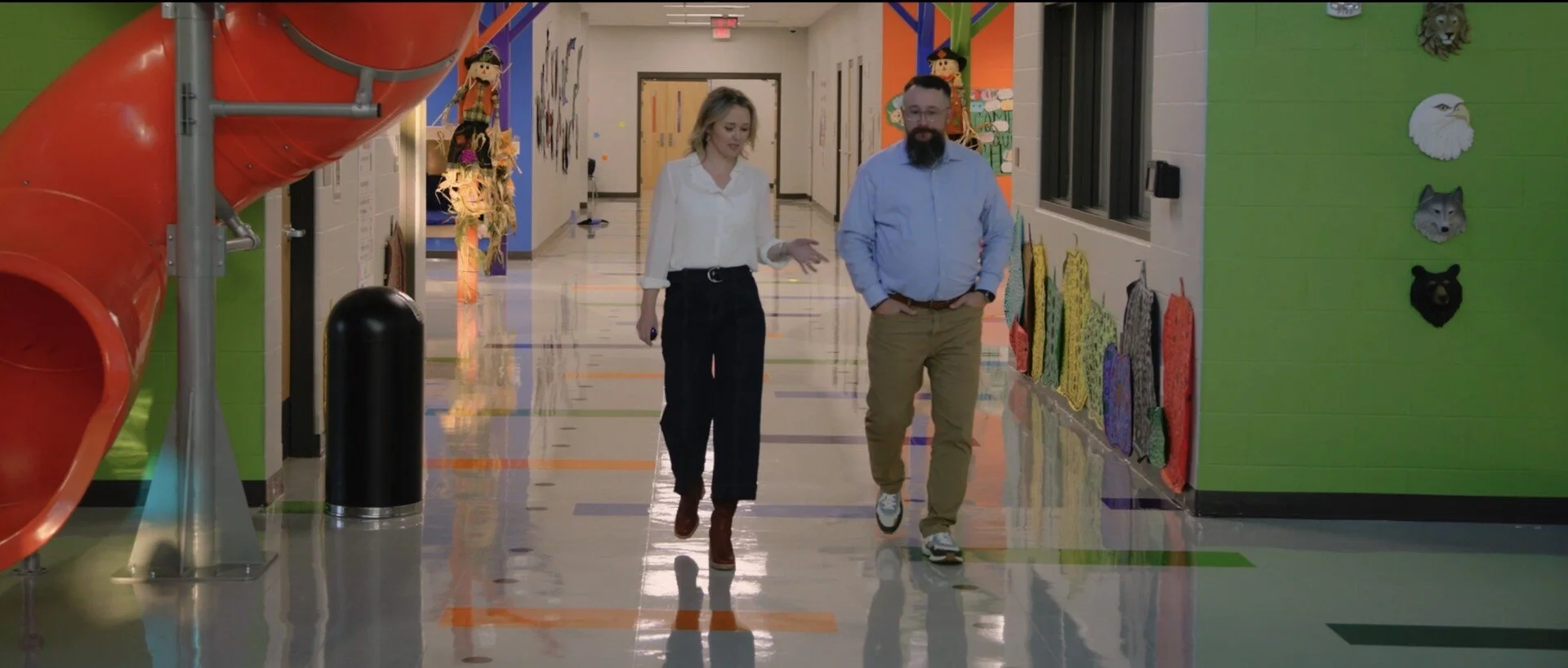
Instead of sensationalising mental health, the documentary follows the real people working on the ground, portraying prevention in small, ordinary moments.
“A teacher greeting every child at the door. Community workers walking hours between villages in Nepal. Those moments carry the film,” Shannon says.
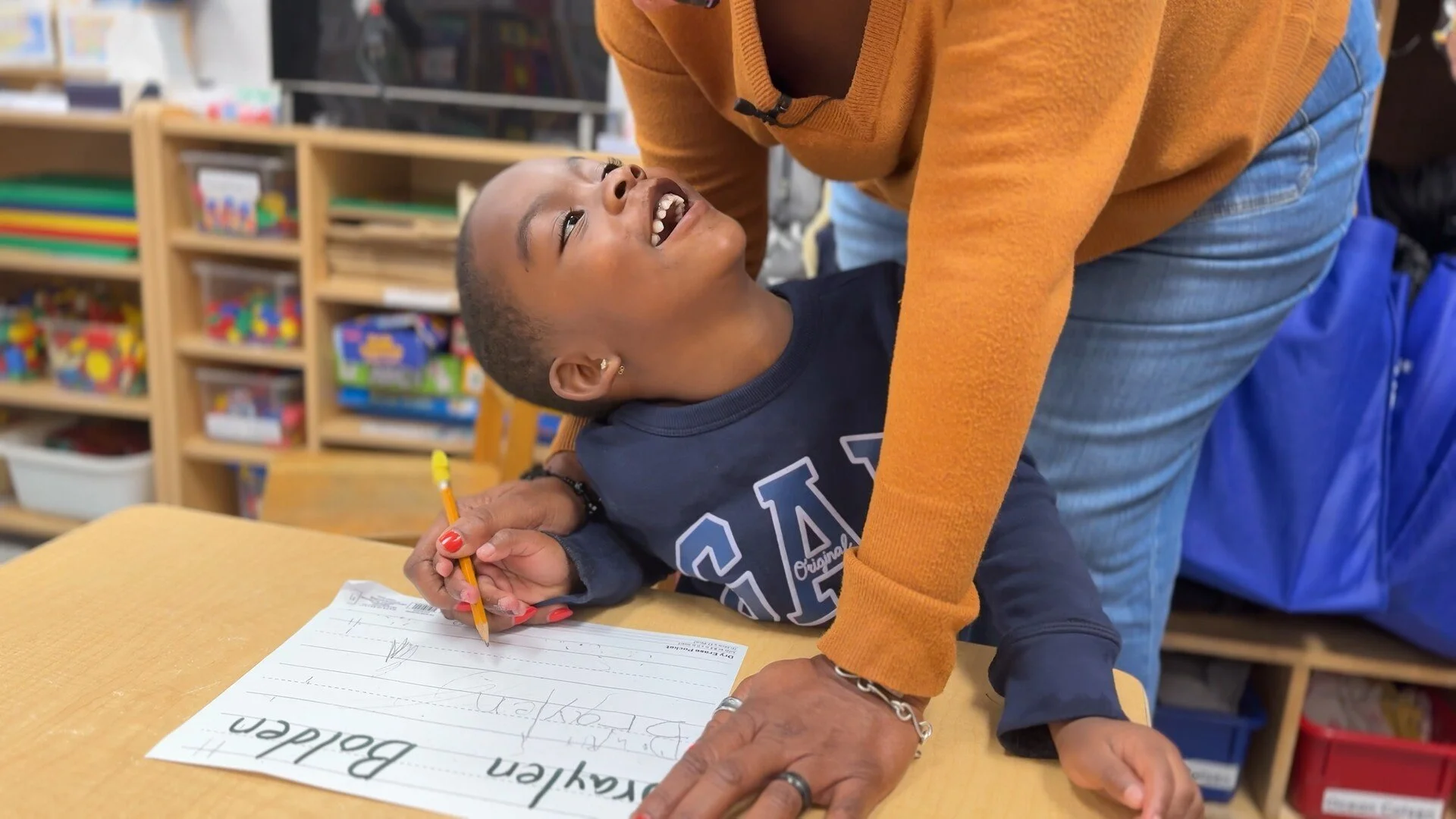
Shannon notes her gratitude for the people who helped make the film possible. Apart from her and her co-producer husband Julian’s financial investment, Raising Superheroes was funded by philanthropists and private family foundations. And the experts she consulted, from the advisory committee to clinicians, researchers and community workers, provided the solid ground on which the film’s opinions stand.
Cheering Shannon and Julian on from the sidelines, their family helped take care of their children and home while the production team was on the road or in the editing room.
It is this appreciation for community that excites Shannon about the film’s official selection into BBFF2026.
“It's a festival with a real community around it, and this film is ultimately about community,” she says. “Northern New South Wales also knows what it is to hold a community together through hard times, and I can't think of a better audience to sit in a room with and talk about what we could do differently for the next generation.”
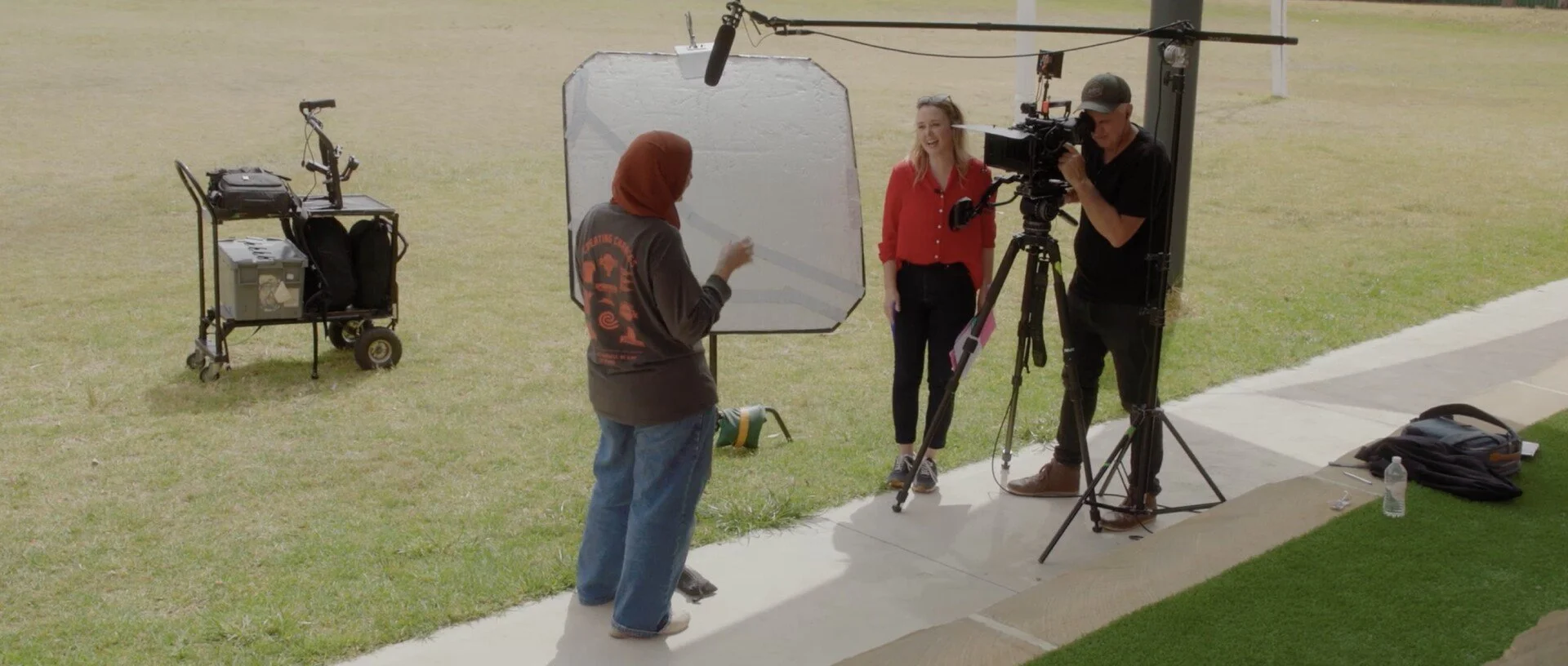
In conclusion, we ask Shannon how she hopes the documentary will impact the BBFF audience.
“I'd love audiences to walk out of the cinema asking what they can do, and knowing that the answers already exist,” she answers. “So I hope audiences walk out knowing that change is possible and ready to ask their governments to fund it."
Raising Superheroes is showing at Brunswick Picture House on Saturday 24 October.